Mohini Ekadashi 2026:
Date, Fasting Rules, Vrat Katha & Puja Vidhi
Mohini Ekadashi 2026 falls on Monday, April 27. Complete guide: exact timings, Parana on April 28, what to eat and avoid, step-by-step puja vidhi, the Dhrishtabuddhi vrat katha, and how to watch Lord Vishnu’s live darshan online.
✦ April 27, 2026 · Parana: 6:12 AM on April 28
There is a particular quality to the hunger on an Ekadashi. It is not the irritable, restless hunger of having skipped a meal by accident. It is something quieter and more intentional: a deliberate emptying, a conscious making of space. As if the body, given a rest from digestion, begins to process something else entirely. Something older. Something that doesn’t have a name in the nutritional sciences.
The eleventh day of each fortnight: Ekadashi: has been observed by Hindu devotees for thousands of years as a day of fasting, prayer, and turning the mind toward Lord Vishnu. Of the 24 Ekadashis in the Hindu year, Mohini Ekadashi holds a singular place. It falls on the Shukla Paksha (bright fortnight) of the month of Vaishakha: when the moon is growing, the nights are getting warmer, and something in the natural world itself seems to be reaching toward fullness.
In 2026, Mohini Ekadashi falls on Monday, April 27. The Ekadashi Tithi begins on Sunday evening, April 26 at 6:06 PM and concludes on Monday evening, April 27 at 6:15 PM. Since the Tithi prevails at sunrise on Monday, the fast is observed on April 27. The Parana (fast-breaking) window is 6:12 AM to 8:46 AM on Tuesday, April 28.
This guide covers everything you need: the Mohini avatar story, the significance of this specific Ekadashi, the complete fasting rules, what you can and cannot eat, the step-by-step puja vidhi, the Dhrishtabuddhi vrat katha that gives this Ekadashi its name, the Vishnu mantra to chant, and how to watch Lord Vishnu’s live darshan on LiveDarshanHub throughout this sacred day. Om Namo Bhagavate Vasudevaya. 🙏
Mohini Ekadashi 2026: At a Glance
The Mohini Avatar: Why Lord Vishnu Became a Woman
Every Ekadashi has a story. But Mohini Ekadashi has one of the most dramatic in all of Hindu mythology: because it is connected to the Samudra Manthan, the churning of the cosmic ocean, and the moment when the entire balance of creation hung on a single act of divine deception.
The gods (Devas) and the demons (Asuras) had agreed to churn the ocean of milk together, using Mount Mandara as the churning rod and the serpent Vasuki as the rope. The prize they sought was Amrita: the nectar of immortality. After enormous effort, countless treasures emerged from the ocean: Goddess Lakshmi, the divine physician Dhanvantari, the wish-fulfilling cow Kamadhenu, and finally, the sacred pot of Amrita itself.
But the moment Amrita appeared, the Asuras snatched it. They had done half the work: why shouldn’t they have the reward? The Devas were devastated. If the demons drank the Amrita, they would become immortal, and their darkness would rule creation unchallenged. The gods went to Lord Vishnu in desperation.
And Vishnu smiled. Because he had a plan.
He took the form of Mohini: a woman of such extraordinary beauty and grace that she seemed to bewitch reality itself. The very name Mohini comes from moha: delusion, enchantment, the power to captivate the mind so completely that it forgets everything else. She appeared before the Asuras and offered to distribute the Amrita fairly between gods and demons. The demons, utterly spellbound, agreed. They sat in one line, the gods in another: and Mohini began distributing the nectar. To the gods, she gave Amrita. To the demons, she gave something that looked exactly like it but wasn’t. By the time the Asuras realized what had happened, the gods had drunk the Amrita and the pot was empty.
The Ekadashi of the Shukla Paksha of Vaishakha: the day on which this cosmic event is believed to have occurred: came to be known as Mohini Ekadashi. It is the only Ekadashi named after a female avatar of Vishnu. And its spiritual message is layered: it is a day to seek Vishnu’s grace in defeating the moha: the delusions, attachments, and self-deceptions: that bind us to suffering just as the Asuras were bound by their greed for the Amrita they never deserved.
On Mohini Ekadashi, Lord Vishnu’s grace is at its most accessible. LiveDarshanHub streams Vishnu temple live darshan all day on April 27: Tirupati Balaji, Badrinath, Guruvayur, and more. Keep your Ekadashi lit with live darshan.
🔴 Watch Lord Vishnu Live on Mohini Ekadashi: LiveDarshanHub →The Mohini Ekadashi Vrat Katha: Dhrishtabuddhi’s Redemption
Beyond the cosmic Samudra Manthan story, the scriptures record a more intimate and human tale about Mohini Ekadashi: one that speaks directly to the question many devotees carry in their hearts when they approach any sacred fast: can this really wash away what I’ve done?
The Bhavishyottara Purana records this conversation as Lord Krishna telling it to King Yudhishthira. The story goes as follows:
There was a king named Dhrutimaan who ruled the prosperous land of Bhadravati on the banks of the river Saraswati. He had five sons. The fifth son: Dhrishtabuddhi: was a man whose mind seemed constitutionally unable to turn toward anything righteous. He gambled compulsively. He drank. He kept company with women other than his wife. He spent the family’s wealth recklessly and without shame. His father, after exhausting every attempt at correction, had no choice but to exile him from the kingdom.
Alone and rejected, Dhrishtabuddhi first survived by selling his remaining clothes and jewellery. Then, when those ran out, he entered the forest: hungry, abandoned by everyone who had known him, carrying the accumulated weight of a life lived without dharma. The forest was cold. The nights were long. And Dhrishtabuddhi, sitting beneath a tree with nothing left to lose, finally did what he had never done in his comfortable life: he became still. He began to think.
In that stillness, by divine grace, he encountered Sage Kaundilya: a rishi of great wisdom and compassion who could see both the suffering of the man before him and the soul underneath that suffering. Dhrishtabuddhi prostrated before the sage and pleaded: “I have done terrible things. I have hurt people. I have wasted my life. Is there any way out of this? Any path of purification that is still open to someone like me?”
The sage looked at him for a long moment. Then he said: “Yes. There is. Observe the Mohini Ekadashi Vrat with full sincerity: fast, worship Lord Vishnu with Tulsi, spend the night in prayer and scripture, and break the fast correctly the following morning. Do this with a genuinely repentant heart. The punya of this one Ekadashi will cleanse the sins of many lifetimes.”
Dhrishtabuddhi did as the sage instructed. He observed Mohini Ekadashi with complete sincerity: no food, no sleep, only prayer and the name of Lord Vishnu through the night. And when the fast concluded and the morning light came, something had shifted. Not just his circumstances: though those changed too, eventually. Something inside him had been washed clean. The scriptures say that at the end of his earthly life, Garuda: Lord Vishnu’s divine eagle: arrived to carry him to Vaikuntha (Vishnu’s celestial abode).
This is why Mohini Ekadashi is particularly sought by those who carry guilt, regret, or the sense of having lived below their own best self. It is not for the perfectly righteous. It is for everyone else.
Significance of Mohini Ekadashi: Why This Particular Ekadashi Matters
Of the 24 Ekadashis in the Hindu year, each has its own character and specific focus. Mohini Ekadashi occupies a position of particular power for several reasons:
Connected to Samudra Manthan
Unlike most Ekadashis which are tied to lunar events or devotional legend, Mohini Ekadashi is believed to mark the actual cosmic event of the ocean churning and Vishnu’s Mohini avatar appearing. This connection to a pivotal moment in cosmic history gives it unusual spiritual weight.
The Only Female Vishnu Avatar Ekadashi
Vishnu took many avatars: but only once did he take a female form. Mohini Ekadashi is the only day in the Hindu calendar that specifically honours this form. For devotees of Shakti who are also Vaishnava, this Ekadashi holds a unique, bridge-building significance.
Removes Sins of Past Lives
Most Ekadashis are said to cleanse the sins of the current life. Mohini Ekadashi is specifically described in the Surya Purana and Padma Purana as removing sins accumulated across multiple lifetimes: making it particularly significant for those seeking deep karmic purification.
Grants Moksha
Scripture equates the merit of this fast to donating 1,000 cows: one of the highest acts of charity in ancient tradition. More significantly, it is described as granting liberation from the cycle of birth and death for those who observe it with complete sincerity and faith.
Taught by Krishna and Vasishtha
Lord Krishna himself explained this Ekadashi to Yudhishthira. Sage Vasishtha explained it to Lord Rama. When a single vrat receives this level of divine and saintly endorsement in scripture, it carries enormous authority in the Vaishnava tradition.
Vaishakha: A Sacred Month
Vaishakha is considered one of the four most sacred months in the Hindu calendar. Any spiritual practice performed in this month: particularly fasting and Vishnu worship: carries multiplied merit. Mohini Ekadashi arriving in Vaishakha compounds its already significant spiritual power.
Mohini Ekadashi 2026 Fasting Rules: What to Do & What to Avoid
The Ekadashi fast begins the evening before: Sunday, April 26: and ends at the Parana window on Tuesday morning. This 36-hour spiritual discipline is not just about skipping meals. It is a complete reorientation of the body, mind, and intention toward Lord Vishnu. Here is exactly what the tradition prescribes:
Sunday, April 26 (Dashami: Day Before)
🌙 Dashami Preparations: The Fast Begins at Sunset
- Eat a sattvic meal at lunch: simple, vegetarian, without onion, garlic, or meat. This is your last full meal before the fast.
- Do not eat after sunset on Sunday: the Ekadashi Tithi begins at 6:06 PM on April 26. From this point, abstain from grains, non-sattvic food, and heavy eating.
- Avoid tamasic behaviour in the evening: no alcohol, no arguments, no excessive entertainment. Use the Dashami evening to settle the mind: light a lamp, read scripture, or listen to Vishnu bhajans.
- Sleep early: the traditional Ekadashi fast involves waking before sunrise on Monday. A good night’s rest on Sunday makes this possible.
Monday, April 27: The Mohini Ekadashi Fast Day
| Rule | What It Means in Practice |
|---|---|
| ❌ No Grains of Any Kind | The most important rule. No rice, no wheat (roti, chapati, bread), no dals or lentils, no corn, no barley. This is the defining restriction of every Ekadashi: it is not negotiable. |
| ❌ No Onion, Garlic, Meat, or Alcohol | Tamasic foods that cloud the mind and disturb sattvic energy: completely avoided on Ekadashi, regardless of fasting level. |
| ✅ Fruits are permitted | Bananas, apples, mangoes, pomegranates, grapes: all fresh fruits can be eaten throughout the day. Coconut water is also permitted. |
| ✅ Dairy is permitted | Milk, curd (yogurt), paneer, ghee, and buttermilk (without salt in some traditions): all acceptable. A glass of milk in the morning and evening is the most common approach for working devotees. |
| ✅ Sendha Namak (Rock Salt) is permitted | Regular iodized table salt is avoided. Rock salt (sendha namak) is the only salt permitted in Ekadashi cooking. |
| ✅ Vrat-approved foods permitted | Sabudana (tapioca), Singhare ki atta (water chestnut flour), Samak rice (barnyard millet), potato, sweet potato, arrowroot: the classic Ekadashi vrat diet. These items can be made into khichdi, halwa, or pakodas with rock salt and ghee. |
| Complete water-only fast | For those who want maximum spiritual merit: water only, nothing else. The most demanding form. Not recommended for those with health conditions, diabetics, or pregnant women without medical guidance. |
| 🌙 Stay awake through the night | Traditionally, the Ekadashi night is spent in prayer, bhajan, scripture reading, or meditation rather than sleep. This is called Jaagaran. Even a few hours of night prayer is deeply meritorious. |
Tuesday, April 28: Parana (Breaking the Fast)
🌅 Parana: How to Break the Mohini Ekadashi Fast Correctly
- Parana window: 6:12 AM to 8:46 AM on Tuesday, April 28. Break the fast only within this window. Breaking it before 6:12 AM (before Hari Vasara ends at 6:10 AM) negates the spiritual merit of the fast.
- Do not break the fast after 8:46 AM: the Dwadashi Tithi ends at this time. Breaking the fast after the Dwadashi Tithi ends is also considered inauspicious.
- Begin Parana with Tulsi water or tulsi-infused water: sipping water with a Tulsi leaf is the traditional first act of breaking the Ekadashi fast. It honours both Lord Vishnu and the sacred Tulsi plant in a single gesture.
- Offer food to Brahmins or the needy before eating: this act of Brahmana Bhoj or annadaan on the Parana day is considered extremely meritorious and is mentioned specifically in the Mohini Ekadashi scriptural references.
- Break the fast with light sattvic food: fresh fruit, milk, or simple cooked vegetarian food without excessive spices. Do not immediately break a 36-hour fast with a heavy meal.
While you fast on April 27, keep your mind anchored to Lord Vishnu with live darshan on LiveDarshanHub: watch Tirupati Balaji’s morning aarti, Badrinath darshan, and Guruvayur live. A fast is stronger when the eyes also fast on beauty that is sacred.
🔴 Watch Lord Vishnu Live on Ekadashi: LiveDarshanHub →Mohini Ekadashi Puja Vidhi 2026: Step-by-Step Worship Guide
The Ekadashi puja is not complicated. It does not require a pandit or an elaborate setup. It requires sincerity, a clean space, a lamp, Tulsi leaves, and the name of Lord Vishnu. Here is the complete, step-by-step puja for Mohini Ekadashi 2026:
🪷 Step-by-Step Mohini Ekadashi Puja Vidhi
- Wake up before sunrise (before 5:30 AM on April 27). Begin the day with a bath using water: ideally with a few drops of Ganga water or a pinch of sesame seeds added. This ritualistic bath is called Snan and marks the beginning of the sacred day.
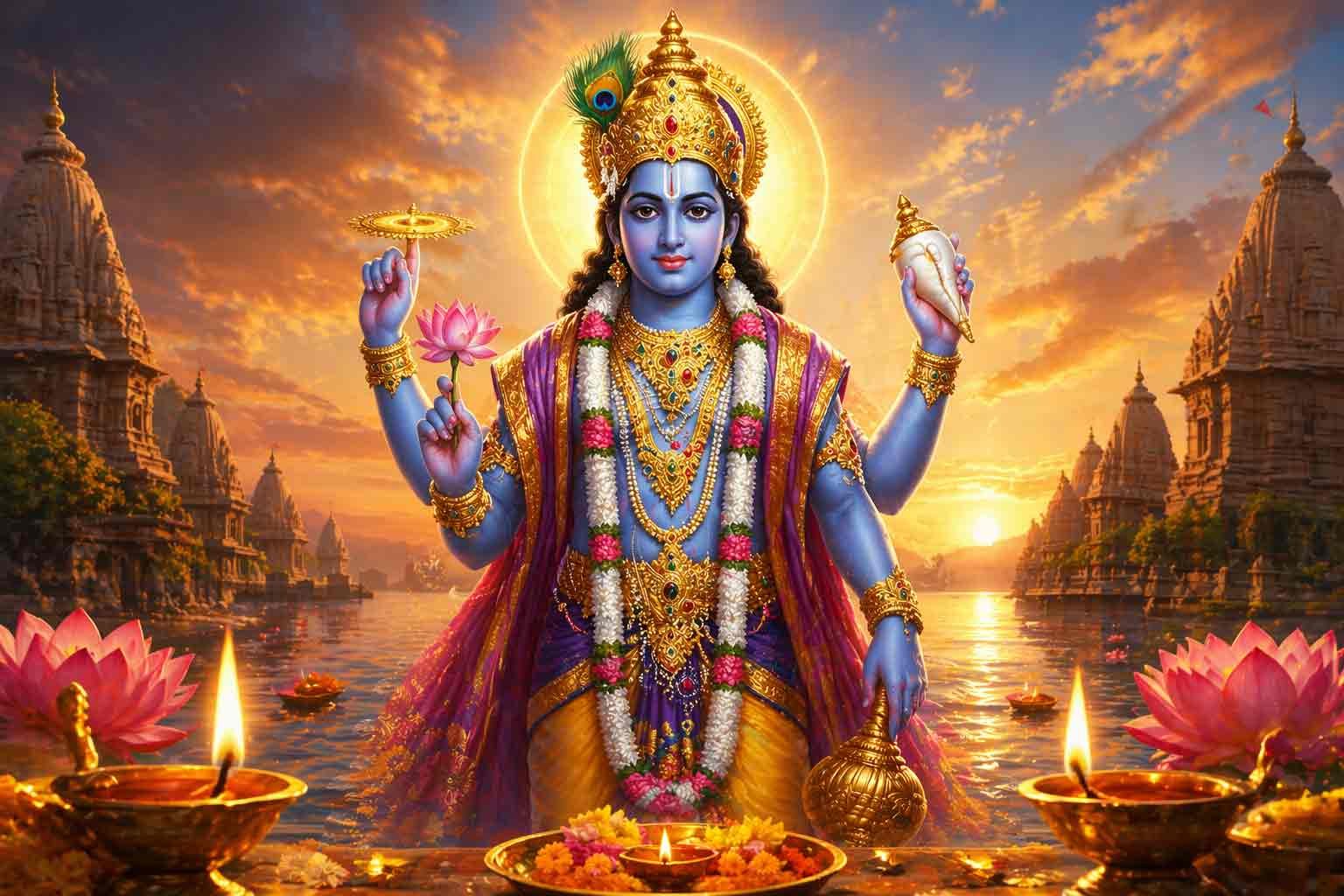
- Set up the puja space. Place an idol or image of Lord Vishnu (or his Mohini avatar) on a clean cloth. A picture of Lord Vishnu in his four-armed form: holding conch (Shankha), discus (Chakra), mace (Gada), and lotus (Padma): is ideal. A Shaligrama Shila (sacred black stone) if available.
- Light the lamp (Deepa). Use a ghee lamp or til (sesame) oil lamp. Place it to the right of the idol. The lamp represents the light of knowledge burning through the darkness of ignorance: a particularly resonant symbol on a day named after Mohini, the one who dispels delusion.
- Light incense (Agarbatti). Sandalwood or jasmine. The fragrance is an offering to the Lord and also serves to settle and calm the puja atmosphere.
- Offer Tulsi leaves: the most important offering of any Vishnu puja. Place 5 to 11 Tulsi leaves at Lord Vishnu’s feet with sincere devotion. Tulsi is considered the most beloved offering of all to Vishnu: no puja is complete without it. Do not offer broken or yellow Tulsi leaves.
- Offer flowers. Marigold, lotus, jasmine, or any fresh flower available. White and yellow flowers are particularly auspicious for Vishnu puja.
- Offer fruits as Naivedya. Banana, mango, coconut, or whatever fruits are available and in season. Offer with the intention that everything you have belongs to Lord Vishnu first.
- Chant the Vishnu mantra. Om Namo Bhagavate Vasudevaya: minimum 108 times, ideally with a Tulsi-bead mala (japamala). This is the primary Dwadashaakshara mantra of Lord Vishnu. Each chanting is an act of surrender.
- Recite the Mohini Ekadashi Vrat Katha (the Dhrishtabuddhi story above, or from a printed vrat katha book). Reading or listening to the Vrat Katha is considered an integral part of the Ekadashi observance: as important as the fasting itself, according to the Puranas.
- Chant Vishnu Sahasranama (the thousand names of Vishnu) if possible. Even listening to a recorded recitation while folding your hands is considered highly meritorious on Mohini Ekadashi.
- Perform the evening puja. At sunset, light the lamp again, offer Tulsi, and perform a simple evening aarti with camphor (Karpura). This closes the day’s formal worship.
- Night vigil (Jaagaran). Spend the Ekadashi night: or at least a portion of it: awake in prayer, bhajan, or scripture. Even 1-2 hours of night prayer carries significant merit. Play Vishnu bhajans, read the Bhagavatam, or simply sit quietly in meditation with the name of Vishnu.
The Primary Mantra for Mohini Ekadashi
🙏 Mantras to Chant on Mohini Ekadashi
Om Namo Bhagavate Vasudevaya
Om Vishnave Namah
Chant before placing Tulsi at Vishnu’s feet
Chant as you break the fast on Tuesday morning
As you complete your Ekadashi puja, deepen the experience with live Vishnu darshan on LiveDarshanHub: watch the morning aarti at Tirupati, afternoon darshan at Badrinath, or evening prayers at Guruvayur. Let the puja extend beyond your home and into the sacred geography of India.
🪷 Watch Vishnu Temples Live on Ekadashi: LiveDarshanHub →Mohini Ekadashi Vrat Food: What You Can & Cannot Eat
One of the most practical questions about any Ekadashi is the food: and specifically, what qualifies as a proper vrat meal versus what breaks the fast. Here is a clear reference guide:
Dairy: Milk, curd, paneer, ghee, buttermilk, lassi (no salt or rock salt only)
Vrat grains: Sabudana (tapioca), Samak rice (barnyard millet), Singhare ki atta (water chestnut flour), Kuttu atta (buckwheat)
Vegetables: Potato, sweet potato, raw banana, arrowroot, lauki (bottle gourd)
Nuts & dry fruits: All: almonds, walnuts, cashews, raisins, dates
Sweeteners: Sugar, jaggery, honey
Salt: Sendha namak (rock salt) only
All dals & legumes: Chana, moong, rajma, masoor: no lentils or pulses
Onion & garlic: In any form, cooked or raw
Non-vegetarian: Meat, fish, eggs: strictly prohibited
Alcohol & tobacco: Any intoxicants
Regular table salt (iodized): use rock salt only
Mustard seeds in some traditions: check regional practice
Simple Mohini Ekadashi Vrat Recipes
🍽️ Easy Ekadashi Vrat Meals for April 27
- Sabudana Khichdi: Soak sabudana overnight. Sauté in ghee with cumin seeds, crushed peanuts, sendha namak, and green chilli. Add boiled potato. The most classic Ekadashi breakfast across North India.
- Samak Rice Khichdi: Cook samak rice with curd, sendha namak, and a little ghee. Light, digestible, and genuinely filling on a fast day.
- Kuttu Pakoda: Mix kuttu atta with boiled potato, sendha namak, and green chilli. Shape into small discs and pan-fry in ghee. Crispy, satisfying, and completely vrat-approved.
- Fruit Chaat: Mix seasonal fruits with a squeeze of lime and a pinch of sendha namak. The best mid-day meal on a warm April fasting day.
- Makhana Kheer: Roast fox nuts (makhana) in ghee, then simmer in full-fat milk with sugar, cardamom, and a few saffron strands. A Ekadashi dessert that feels celebratory.
- Singhare ki Puri: Make dough from singhare ki atta (water chestnut flour) with sendha namak, roll into small puris, and deep-fry in ghee. Serve with curd or aloo sabzi (potato with sendha namak).
Watch Live Vishnu Darshan on Mohini Ekadashi: LiveDarshanHub
Mohini Ekadashi is, at its heart, a day of turning toward Lord Vishnu: not just with an empty stomach but with a present mind and an open heart. The fast creates the space. The puja fills it with intention. And the darshan: whether you are physically at a Vishnu temple or watching live from home: is what actually completes the circuit.
On April 27, 2026, LiveDarshanHub will be streaming live darshan from Tirupati Balaji, Badrinath, Guruvayur, Dwarkadheesh, and other major Vishnu temples throughout the day. If you are observing the fast at home and cannot visit a temple, open LiveDarshanHub on your phone or television and let the darshan be your temple for the day.
LiveDarshanHub: Lord Vishnu’s Darshan on Mohini Ekadashi
LiveDarshanHub is India’s dedicated Hindu temple live-streaming platform: bringing the divine presence of Lord Vishnu and India’s most sacred temples to devotees everywhere, completely free.
- Tirupati Balaji live: morning Suprabhatam (2:30 AM) through evening aarti
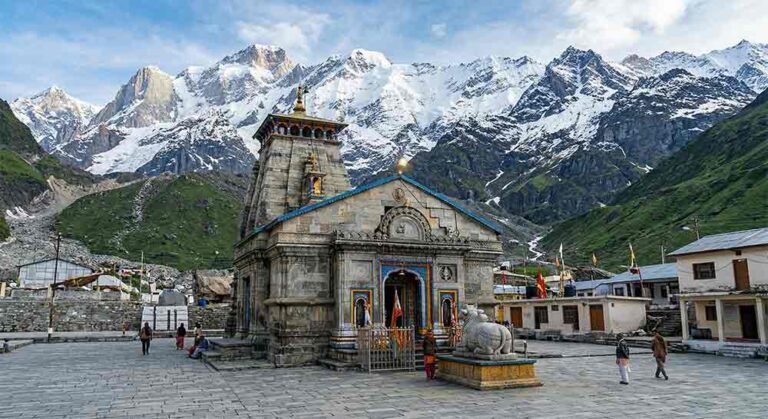
- Badrinath live darshan during Char Dham season (temple opens April 23)
- Guruvayur Temple live: Lord Guruvayurappan’s daily darshan and deeparadhana
- Dwarkadheesh Temple (Dwarka) live: Lord Krishna’s darshan from Gujarat
- All streams HD quality, free, no registration, works on any device
- Special Ekadashi day coverage with extended morning and evening broadcasts
A practical suggestion for your Mohini Ekadashi 2026: set LiveDarshanHub as your phone’s screensaver or keep it running quietly on a tablet while you observe the fast. The continuous presence of Lord Vishnu’s darshan in your environment: even in the background: changes the quality of the day in ways that are difficult to articulate but easy to notice.
This Monday, April 27: let LiveDarshanHub be your temple. Fast, pray, chant, and keep the stream of Vishnu’s live darshan running through your Ekadashi. Om Namo Bhagavate Vasudevaya.
🏠 Visit LiveDarshanHub: Darshan Every Ekadashi →Frequently Asked Questions: Mohini Ekadashi 2026
Mohini Ekadashi is in a few days. Begin your preparation now: and begin your connection with Lord Vishnu right now on LiveDarshanHub. Om Namo Bhagavate Vasudevaya.
🪷 Watch Vishnu Temples Live: LiveDarshanHub →Closing Blessing: Om Namo Bhagavate Vasudevaya 🙏
The hunger of an Ekadashi teaches something that satiety cannot. It teaches you that the body can be quieter than you thought. That the mind, freed from the project of digestion, moves differently: more freely, more spaciously, with more room for the kind of awareness that isn’t usually available in the middle of an ordinary day.
Mohini Ekadashi asks you to use that space for Lord Vishnu. To fill the emptiness of the stomach with the fullness of his name. To replace the moha: the delusion and distraction that Mohini symbolically represents: with clarity, surrender, and the simple practice of turning toward what is real.
On Monday, April 27, 2026: wake before sunrise. Take your bath. Light your lamp. Offer Tulsi. Chant Om Namo Bhagavate Vasudevaya. Read the Dhrishtabuddhi story. Stay with Vishnu through the day. Keep the fast until Tuesday morning’s Parana window. And break it gently, gratefully, with a prayer of thanks for what was given in the space that the fast created.
And through it all, LiveDarshanHub will be streaming Lord Vishnu’s live darshan from India’s most sacred temples: so that wherever you are, the thread between you and the Lord remains unbroken throughout the Ekadashi.
Om Namo Bhagavate Vasudevaya: Watch Lord Vishnu Live on LiveDarshanHub
LiveDarshanHub streams live darshan from Tirupati Balaji, Badrinath, Guruvayur, Dwarkadheesh, Kashi Vishwanath, and hundreds of India’s most sacred temples: every day, all year, completely free.
- All major Vishnu temples live: Tirupati, Badrinath, Guruvayur, Dwarka and more
- Special Ekadashi day extended coverage: morning to night
- Char Dham, Kedarnath, Shirdi, Vaishno Devi all on the same platform
- 100% free: no login, no subscription, ever
- Works on any device, anywhere in India or the world